

Roof valleys are among the most important areas of a roofing system because they channel rainwater from two intersecting roof slopes toward the gutters or lower roof edges. Since these areas handle concentrated water flow, even a small installation defect or damaged roofing component can increase the risk of leaks.
Roof valley problems can develop because of damaged flashing, deteriorating shingles, debris buildup, improper installation, or aging roofing materials. Some issues remain hidden until water starts entering the attic or appearing on interior ceilings.
Understanding how roof valleys work, what can go wrong, and which warning signs to watch for can help homeowners identify potential problems before they lead to more extensive damage.
What Is a Roof Valley?
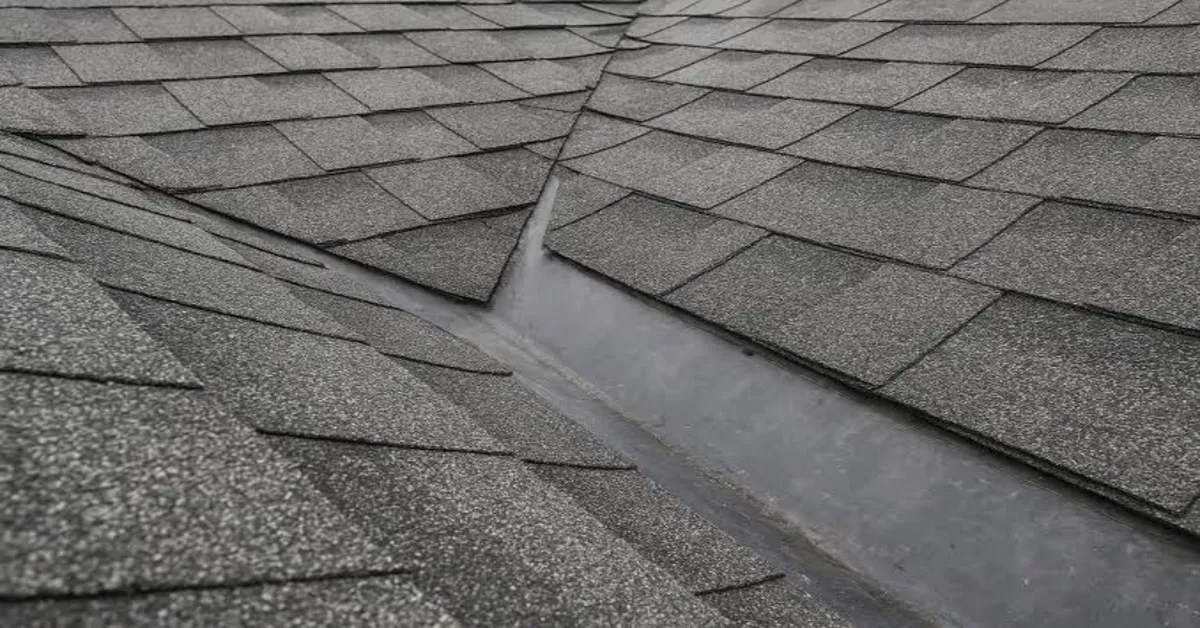
A roof valley is the internal angle formed where two sloping sections of a roof meet. Instead of allowing water to flow independently down each slope, the valley collects runoff from both surfaces and directs it toward the roof’s drainage system.
Roof valleys are typically protected using metal flashing, specialized valley liners, or roofing materials installed according to a specific valley design.
Because rainwater concentrates in these areas, the valley must provide a continuous, reliable path for drainage. Poor installation, deteriorated materials, or obstructions can interfere with that function.
Common Roof Valley Problems That Can Cause Leaks
Damaged or Deteriorated Valley Flashing
Flashing provides a water-resistant barrier beneath or alongside the roofing materials in many valley designs. Depending on the system, it may be made from metal or other approved waterproofing materials.
Over time, flashing can corrode, crack, become damaged, or develop openings that allow water to reach the underlying roof structure.
Damage may also occur during previous roof repairs when flashing is disturbed or improperly reinstalled.
If water stains appear near a valley or leaks repeatedly develop during heavy rainfall, damaged flashing may be one possible cause. An inspection can determine whether the flashing needs repair or replacement.
Improper Valley Installation
Roof valleys require careful installation because water must flow freely without entering beneath the surrounding roofing materials.
Problems can develop when shingles are cut incorrectly, valley components are improperly overlapped, or the installation does not follow the roofing manufacturer’s specifications.
The appropriate installation method also depends on the valley design. Open metal valleys, closed-cut valleys, and woven valleys have different installation requirements.
If the materials are installed incorrectly, water may move beneath the shingles instead of flowing safely down the valley.
Poor workmanship can remain unnoticed for some time, particularly during light rainfall, before a heavy storm exposes the weakness.
Debris Buildup and Blocked Water Flow
Leaves, twigs, dirt, pine needles, and other debris can collect in roof valleys, especially on homes surrounded by trees.
When debris accumulates, it can obstruct drainage and cause water to back up around the affected area. Prolonged moisture exposure may also accelerate the deterioration of roofing materials.
Wet leaves can conceal damaged shingles or flashing, making it harder to identify the actual condition of the valley.
Regular roof maintenance can help reduce debris accumulation. However, homeowners should avoid climbing onto steep or slippery roofs to clear it themselves.
Cracked, Curling, or Missing Shingles
The shingles surrounding a valley help protect the underlying roof system from rainwater.
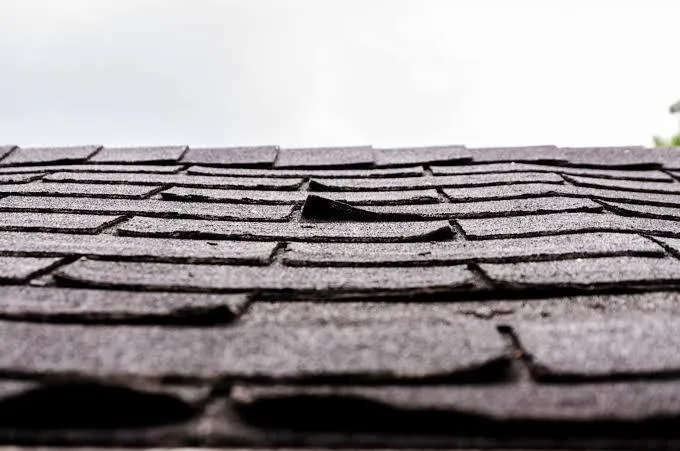
As shingles age, they may crack, curl, lose granules, or become brittle. Strong winds can also lift or remove shingles, exposing vulnerable sections of the valley.
When shingles near a valley are damaged, water may penetrate beneath the roofing surface, particularly during prolonged or wind-driven rain.
Even if the valley flashing remains intact, deteriorated surrounding shingles can compromise the overall waterproofing system.
Incorrect Fastener Placement
Fasteners must be installed according to the roofing system’s specifications. In some valley designs, nails placed too close to the water channel can create potential entry points for moisture.
Improper fastening can also damage shingles or interfere with how roofing materials lie against the valley surface.
The correct fastening requirements vary by shingle type and valley design, so repairs should follow the manufacturer’s instructions rather than relying on a one-size-fits-all approach.
Ice Dams and Freeze-Thaw Damage
In colder climates, roof valleys can be affected by ice dams and repeated freezing and thawing.
Ice dams form when melting snow refreezes near colder roof edges, potentially restricting drainage. Water can then back up beneath roofing materials if the roof assembly is not adequately protected.
Repeated freezing and thawing may also worsen existing cracks or damage in certain materials.
Homes in regions with significant snowfall may require appropriate underlayment protection, attic insulation, and ventilation to reduce the risk of ice-related roof problems.
Aging Roofing Materials
Even properly installed roof valleys can deteriorate as the roofing system ages.
Flashing, shingles, sealants, and underlayment may gradually lose their effectiveness through years of exposure to sunlight, temperature changes, moisture, and severe weather.
An older roof may develop several small weaknesses around the same valley, making isolated patch repairs less reliable.
When deterioration is widespread, the condition of the entire valley and surrounding roofing materials should be evaluated before deciding on the appropriate repair.
Warning Signs of Roof Valley Damage
Roof valley problems are not always visible from the ground, but certain symptoms may indicate that an inspection is necessary.
Look for:
- Water stains on ceilings or walls after rainfall
- Damp insulation or moisture in the attic
- Missing, cracked, or lifted shingles near valleys
- Visible corrosion or damage to exposed valley metal
- Debris collecting repeatedly in the same area
- Water entering the home during heavy rain
- Signs of deteriorated decking beneath the affected area
Interior water stains may appear some distance from the actual leak because water can travel along the underside of the roof decking or framing. Therefore, the location of a ceiling stain does not always identify the source.
Can a Damaged Roof Valley Be Repaired?
In many cases, yes. The appropriate repair depends on the source and extent of the damage.
If the problem is limited to a small section of damaged shingles, a contractor may be able to replace the affected materials while preserving the rest of the roof.
Damaged flashing may require repair or replacement, depending on its condition and how it is integrated with the roofing system. Debris-related drainage issues may be resolved through appropriate cleaning and maintenance, provided no underlying damage has occurred.
However, simply applying roofing cement over a suspected valley leak is not always a reliable solution. It may conceal the symptom without correcting the underlying problem.
If the valley has extensive deterioration, damaged decking, or recurring leaks, more substantial repairs may be necessary.
When Should You Consider Roof Replacement?
A damaged roof valley does not automatically mean the entire roof needs replacement.
Localized damage can often be repaired if the surrounding roofing materials remain in good condition.
Replacement becomes more worth considering when the roof is nearing the end of its service life, multiple valleys are deteriorating, leaks continue appearing in different areas, or the underlying roofing materials have widespread damage.
A professional inspection can help determine whether repairing one valley is a reasonable long-term solution or whether broader deterioration makes replacement more practical.
How to Prevent Roof Valley Problems
Preventive maintenance can help keep roof valleys working properly and reduce the risk of water intrusion.
Keep gutters clear so rainwater can drain away from the roof efficiently. Arrange for periodic inspections to identify damaged shingles, deteriorating flashing, and debris accumulation before they become more serious.
After severe storms, check for visible signs of damage from the ground. If your roof has a complex design, mature trees nearby, or a history of leaks, more frequent professional inspections may be appropriate.
During roof replacement, ensure the valley design, flashing, underlayment, and shingle installation are compatible with the roofing system and installed according to manufacturer requirements.
Roof valleys handle a concentrated flow of rainwater, making them particularly important areas to maintain. Damaged flashing, improper installation, debris buildup, deteriorating shingles, and aging materials can all compromise valley performance and increase the risk of leaks.
The most effective approach is to identify the underlying cause rather than treating only the visible symptoms. Prompt repairs can help protect the roof decking, insulation, and interior of the home from further moisture damage.
If you notice recurring leaks, damaged shingles, or other warning signs near a roof valley, arrange for a professional inspection to determine the extent of the problem and the most appropriate repair.