

When a roof starts showing signs of damage, one of the biggest questions homeowners face is whether they need a roof replacement or roof repair. Replacing an entire roof is a major investment, but continuing to repair an aging or severely damaged roof may only delay a larger expense.
The right decision depends on several factors, including the age of the roof, extent of the damage, number of problem areas, previous repairs, and condition of the underlying roofing system.
Understanding the difference between repair and replacement can help you make a more informed decision before committing to major roofing work.
When Is Roof Repair Usually Enough?
Roof repair is generally appropriate when the damage is limited, localized, and the rest of the roofing system remains in good condition.
For example, a roof may only have a few damaged shingles after a storm. A contractor may be able to replace those shingles without disturbing the rest of the roof.
Other repairable problems can include damaged flashing, a localized leak, loose roofing components, or a small area of storm damage.
The important question is whether the problem is isolated or part of a larger pattern of deterioration.
Signs Your Roof May Only Need Repair
Several situations may point toward repair rather than replacement.
Localized Shingle Damage
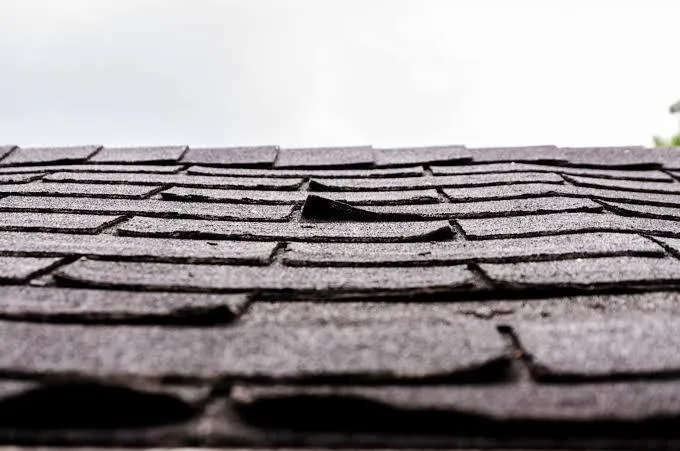
If only a small number of shingles are cracked, torn, or missing, replacing the affected shingles may be enough.
This is particularly common after wind or hail damage.
Damaged Flashing
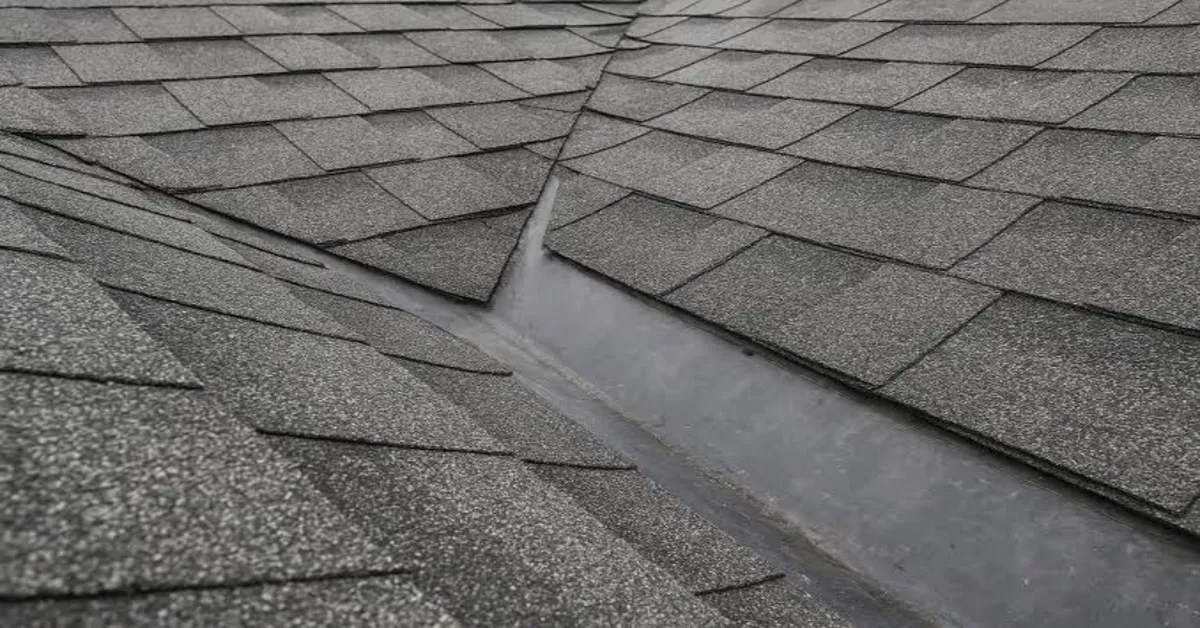
Flashing around chimneys, vents, skylights, and roof edges can deteriorate and allow water into the building.
If the shingles and underlying roof remain in good condition, replacing or repairing the flashing may resolve the problem.
A Single Localized Leak
One isolated leak does not automatically mean the entire roof needs replacement.
If the source can be identified and the surrounding roofing materials are still sound, a targeted repair may be appropriate.
Limited Storm Damage
Storms can damage individual sections of a roof without affecting the entire system.
A professional inspection can determine whether the damage is confined to a repairable area.
When Does Roof Replacement Make More Sense?
Roof replacement becomes more likely when damage is widespread, the roof is near the end of its expected service life, or repeated repairs are no longer providing a reliable long-term solution.
Replacing the roof may address both visible damage and underlying deterioration rather than continuing to treat individual symptoms.
The Roof Is Near the End of Its Service Life
Age is an important factor when evaluating a roof.
As roofing materials get older, they gradually lose their ability to withstand weather exposure. Shingles may become brittle, lose granules, curl, crack, or deteriorate across larger areas.
If an older roof is experiencing multiple problems at the same time, replacement may be more practical than continuing to repair individual areas.
Damage Is Widespread
A few damaged shingles are very different from widespread cracking, curling, missing shingles, or severe granule loss.
When deterioration affects a large portion of the roof, repairing individual areas may not address the condition of the remaining materials.
You Keep Repairing the Same Roof
Repeated repairs can be a sign that the roof is reaching the end of its useful life.
If leaks continue appearing in different areas or multiple sections require repairs over a relatively short period, it may be worth evaluating the roof as a whole.
The issue is not simply the cost of another repair. It is whether the existing roofing system can continue providing dependable protection.
The Roof Decking Is Damaged
Roofing problems can extend beneath the shingles.
Long-term leaks can damage roof decking, causing areas to become soft, weakened, or rotten. If significant decking damage is discovered, sections of the roof may need to be opened so the underlying materials can be repaired or replaced.
Severe underlying damage can make a larger roofing project necessary.
Roof Repair vs. Replacement: What About Cost?
Repair will usually cost less upfront because only part of the roofing system is being addressed.
However, the cheapest immediate option is not always the most appropriate long-term solution.
For example, repeatedly repairing an aging roof can result in multiple repair expenses while the rest of the roofing system continues deteriorating.
On the other hand, replacing a roof that only has a small, isolated problem may be unnecessary.
The decision should therefore consider both the immediate repair cost and the expected condition of the roof over the coming years.
How Many Repairs Are Too Many?
There is no universal number of repairs that automatically means a roof needs replacement.
A better indicator is the pattern of repairs.
If repairs are isolated and the roof continues performing well, maintenance may be reasonable.
If new leaks, damaged shingles, flashing problems, or other defects keep appearing across different sections, the roof may have reached a point where replacement provides a more practical solution.
What About a Roof That Is Leaking?
A leaking roof does not automatically need to be replaced.
The source and extent of the leak matter.
A damaged flashing component or a small section of failed shingles may be repairable. But if water has been entering the roofing system for a long time, there may be hidden damage to the decking, insulation, or other components.
The visible location of a ceiling stain also may not be directly above the actual source of the leak. Water can travel along the underside of the roof before entering the building.
That is why identifying the actual source is important before deciding between repair and replacement.
Can You Repair an Old Roof?
Sometimes, but age should be considered alongside condition.
An older roof with one isolated issue may still be worth repairing if the rest of the system remains in good shape.
However, if an aging roof has widespread deterioration, repeated leaks, extensive granule loss, curling shingles, or multiple damaged areas, repair may only provide a temporary solution.
A professional assessment can help determine whether the remaining roof has enough useful life to justify continued repairs.
What Should a Roof Inspection Look At?
A proper evaluation should go beyond checking for visible missing shingles.
A roofing professional should consider:
- Shingle or panel condition
- Flashing
- Roof penetrations
- Signs of water intrusion
- Roof decking
- Roof edges
- Ventilation
- Previous repairs
- Storm damage
- Overall roof age
- Areas showing accelerated deterioration
This broader assessment helps distinguish a localized repair from a roof-wide problem.
Repair or Replacement: What Should You Choose?
There is no single answer that applies to every roof.
Repair may make sense when:
- Damage is localized
- Most roofing materials remain in good condition
- The roof is relatively young
- There are no significant underlying problems
- The issue can be corrected without major disruption
Replacement may make more sense when:
- The roof is approaching the end of its service life
- Damage is widespread
- Leaks continue appearing in different areas
- Shingles are extensively deteriorated
- Underlying decking is significantly damaged
- The roof has required repeated major repairs
The goal should be to address the actual condition of the roofing system rather than automatically choosing the least expensive option.
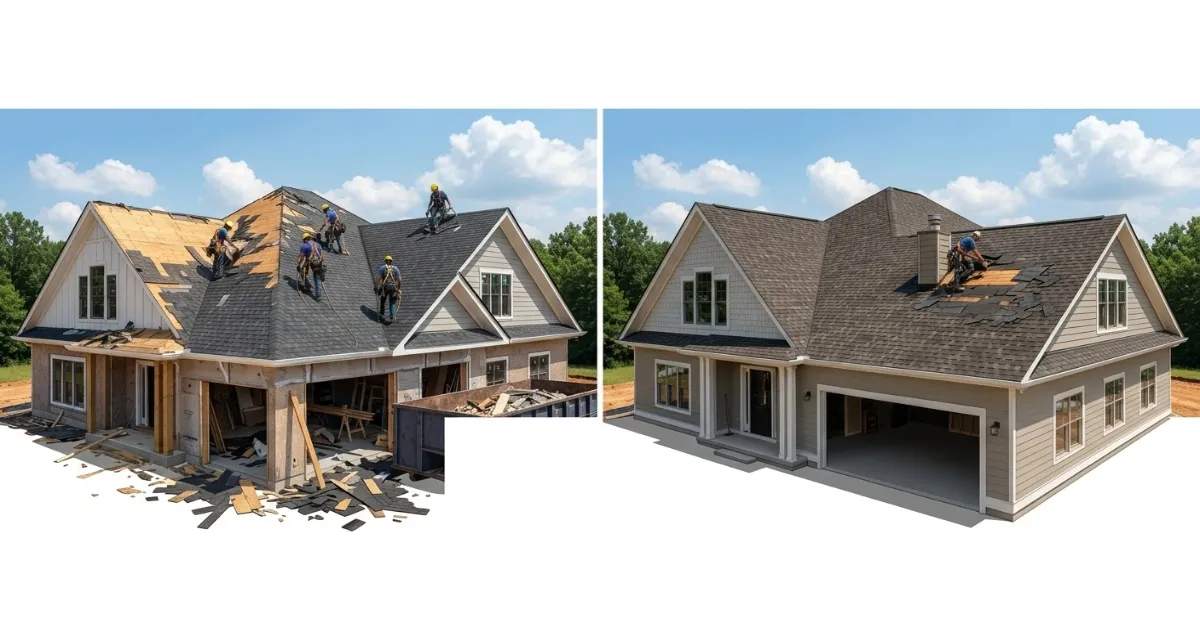
Choosing between roof replacement vs. roof repair depends on the extent of the damage, the age and condition of the existing roof, and whether problems are isolated or widespread.
A small leak, damaged flashing, or handful of missing shingles may only require a targeted repair. But widespread deterioration, repeated leaks, significant decking damage, or an aging roof may indicate that replacement is becoming the more practical option.
Before making a major investment, have the roof evaluated and ask for a clear explanation of what is damaged, what can be repaired, and what condition the remaining roofing system is in. That information can help you make a decision based on the actual condition of your roof rather than the appearance of a single problem.