

Curling roof shingles are one of the more noticeable signs that something is changing within a roofing system. Shingles may curl at the edges, lift upward, or develop a wavy appearance across the roof.
While a few slightly curled shingles do not always mean the entire roof needs to be replaced, widespread curling can reduce the roof’s ability to shed water and protect the structure underneath.
The cause can range from normal aging and weather exposure to poor installation, inadequate ventilation, or moisture beneath the shingles. Identifying the reason for the curling is important because simply replacing a few visible shingles may not solve the underlying problem.
What Do Curling Roof Shingles Look Like?
Shingle curling can appear in several forms.
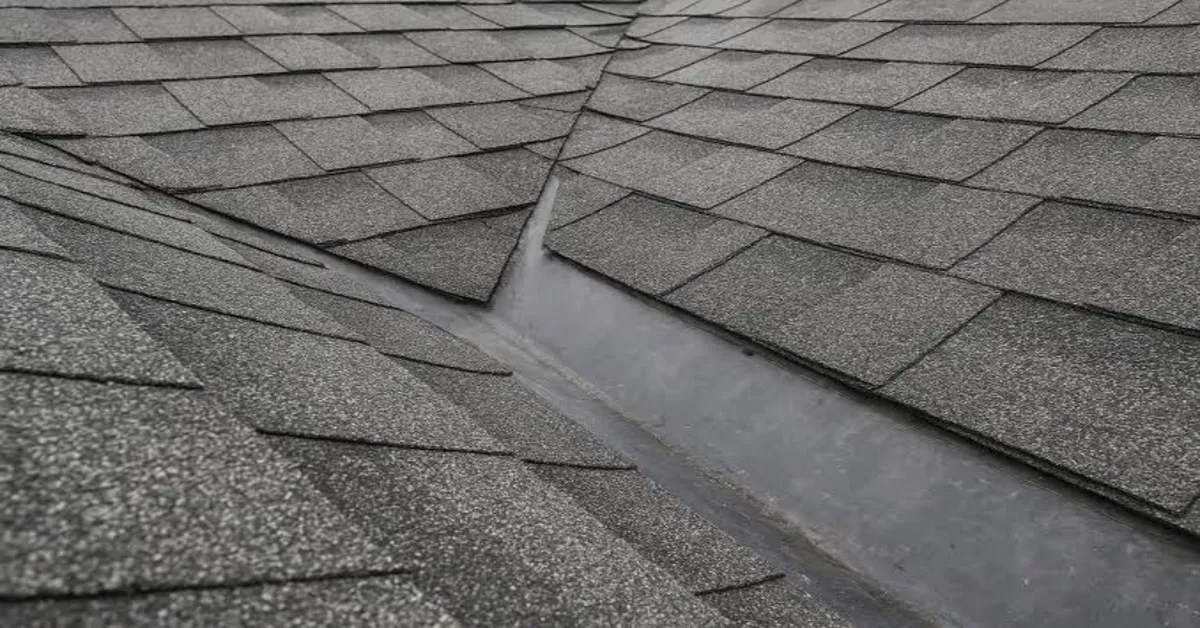
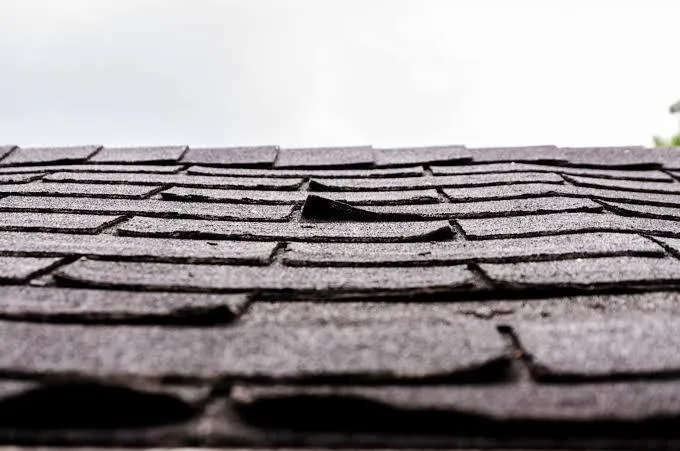
The edges may turn upward, the corners may lift, or the middle of the shingle may develop a distorted shape. Some shingles may appear wavy or uneven compared with the surrounding roofing.
Common signs include:
- Upturned shingle edges
- Lifted corners
- Wavy or distorted shingles
- Shingles separating from the roof surface
- Cracked or brittle shingles
- Exposed areas underneath shingles
- Granules collecting in gutters
Curling may start in a small section before becoming more widespread.
Normal Roof Aging
Age is one of the most common reasons asphalt shingles begin to curl.
As shingles spend years exposed to sunlight, rain, wind, temperature changes, and other environmental conditions, their materials gradually deteriorate.
Older shingles can lose flexibility and become more brittle. As this happens, the edges may begin to curl or lift.
If curling is occurring across a large portion of an older roof and is accompanied by other signs of deterioration, the roof may be approaching the end of its useful service life.
Poor Attic Ventilation
Ventilation plays an important role in the performance of an asphalt shingle roof.
A properly functioning attic ventilation system helps manage heat and moisture beneath the roof. If hot, humid air becomes trapped in the attic, the roofing system can experience prolonged exposure to elevated temperatures and moisture.
Over time, poor ventilation can contribute to premature shingle deterioration and curling.
If shingles are curling and the attic also feels excessively hot or shows signs of moisture, the ventilation system should be evaluated rather than treating the shingles alone.
Improper Shingle Installation
Shingles need to be installed according to the manufacturer’s requirements.
Problems such as incorrect nail placement, inadequate fastening, poor alignment, or failure to follow installation specifications can affect how shingles remain secured to the roof.
Installation problems may not become obvious immediately. Over time, weather exposure can make improperly installed shingles more likely to lift, curl, or deteriorate.
If curling appears on a relatively new roof, installation should be considered as a possible cause.
Moisture Beneath the Shingles
Moisture can contribute to shingle distortion when water gets into areas where it should not be.
Roof leaks, damaged underlayment, poor flashing, or condensation can introduce moisture beneath the shingles.
Repeated exposure to moisture can affect the materials underneath and contribute to movement or deterioration of the roofing system.
If curled shingles are accompanied by water stains, soft roof areas, or damp attic insulation, the problem should be investigated more closely.
Inadequate or Defective Shingles
Not all shingles perform exactly the same way.
Manufacturing defects, material quality issues, or shingles that were not suitable for the particular roof conditions can contribute to premature distortion.
If a large number of shingles begin curling around the same period, particularly on a relatively young roof, it may be worth determining whether the shingles themselves are contributing to the problem.
Excessive Heat and Sun Exposure
Roofs experience significant temperature changes throughout the day.
Strong sunlight and repeated heating and cooling can accelerate the aging process of asphalt shingles. Roof sections that receive more direct sunlight may sometimes show deterioration sooner than heavily shaded areas.
Heat exposure alone does not necessarily mean shingles will curl, but it can contribute to material aging when combined with other factors such as poor ventilation or an already aging roof.
Are Curling Shingles a Serious Problem?
Curling shingles can become a problem because they may no longer provide the same level of protection as properly positioned shingles.
Lifted or curled edges can create openings where wind-driven rain can enter. They may also become more vulnerable to wind damage because the shingles are no longer lying flat against the roof.
The seriousness depends on how many shingles are affected, how severe the curling is, the age of the roof, and whether other roofing problems are present.
Can Curling Shingles Cause Roof Leaks?
Yes.
Curling creates areas where water may be able to get underneath the shingle surface. During heavy or wind-driven rain, water can potentially reach the underlayment and roof decking.
Curling does not automatically mean a leak is occurring, but it increases the vulnerability of the roofing system.
If you notice curled shingles together with interior water stains or attic moisture, the roof should be inspected.
Can Curling Roof Shingles Be Repaired?
The answer depends on the extent and cause of the problem.
A small number of damaged shingles may sometimes be replaced individually. However, severely curled shingles cannot always be restored to their original condition simply by pressing them flat.
If the curling is caused by an underlying issue such as poor ventilation or moisture intrusion, that problem must also be corrected.
Replacing shingles without addressing the cause can lead to recurring problems.
When Should Curling Shingles Be Replaced?
Individual shingle replacement may make sense when the problem is limited to a small area and the rest of the roof remains in good condition.
More extensive replacement may be necessary when curling is widespread or when the shingles are also:
- Cracked
- Brittle
- Missing granules
- Lifting
- Missing entirely
- Showing signs of significant aging
If the majority of the roof is deteriorating, replacing isolated shingles may only provide a temporary solution.
Does Shingle Curling Mean You Need a New Roof?
Not automatically.
A roof can have a few curled shingles while the majority of the system remains serviceable. In that situation, targeted repairs may be sufficient.
However, widespread curling on an older roof is more concerning. If the shingles are deteriorating across multiple sections, a roof replacement may provide a more practical long-term solution than repeated spot repairs.
The decision should be based on the roof’s overall condition rather than curling alone.
How Can You Prevent Shingles From Curling?
Proper installation and regular maintenance can help reduce the risk of premature shingle deterioration.
Homeowners should keep gutters clear, maintain proper attic ventilation, address roof leaks promptly, and have damaged shingles inspected.
It is also important to avoid unnecessary foot traffic on the roof, particularly as shingles become older and more brittle.
Regular inspections can identify early signs of curling before they develop into more extensive roofing problems.
Curling roof shingles should not automatically be treated as proof that an entire roof has failed. However, they are a clear indication that the roofing system deserves closer attention.
Age, ventilation problems, moisture, installation issues, excessive heat, and material defects can all contribute to shingle curling. The right solution depends on identifying which of these factors is affecting the roof.
If only a few shingles are affected, a targeted repair may be enough. If curling is widespread or accompanied by cracking, granule loss, leaks, or other deterioration, a more comprehensive roof evaluation may be necessary.